
Myasthenia Gravis
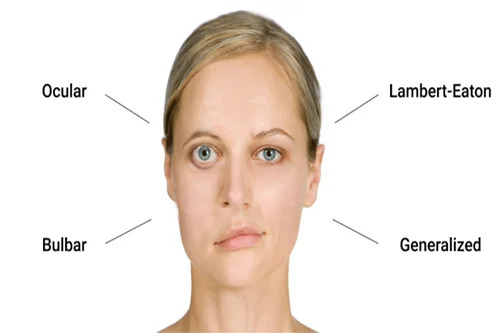
Myasthenia Gravis is a neuromuscular condition where communication between nerves and muscles becomes weak. Because of this, muscles may work normally for some time but become weak with repeated use. After rest, the strength may improve again.
This changing pattern is very important. A patient may feel better in the morning but weaker by evening. Some may have drooping eyelids, double vision, difficulty chewing, slurred speech, trouble swallowing, neck weakness or tiredness while walking.
This page explains Myasthenia Gravis in simple language, what symptoms to watch for, and how neurological evaluation helps. You can also explore other neurological conditions on the Treatments page.
What Makes Myasthenia Gravis Different?
In many muscle problems, weakness remains more constant. In Myasthenia Gravis, weakness can fluctuate during the day. It may increase with activity and improve with rest.
A patient may notice:
- Eyelids drooping more by evening
- Double vision while reading or watching TV
- Difficulty chewing during meals
- Voice becoming nasal or weak after speaking
- Trouble swallowing liquids or food
- Neck feeling heavy or difficult to hold up
- Arm weakness while combing hair or lifting objects
- Leg weakness after walking
- Tiredness that feels more like muscle weakness than general fatigue
The Myasthenia Gravis Foundation of America overview explains that one of the main features of MG is weakness and tiredness that worsens with activity and improves with rest.
Common Symptoms
Myasthenia Gravis may affect eye muscles, face, throat, neck, arms, legs or breathing muscles. Symptoms are not the same in every patient.
Common symptoms include:
- Drooping eyelids
- Double vision
- Difficulty chewing
- Difficulty swallowing
- Slurred or nasal speech
- Weak smile or facial weakness
- Neck weakness
- Arm or leg weakness
- Breathlessness in severe cases
- Symptoms worsening after activity or later in the day
The NORD Myasthenia Gravis guide provides patient information on symptoms, causes and treatment options for this condition.
When Is It Urgent?
Myasthenia Gravis should be taken seriously if weakness affects swallowing or breathing.
Urgent medical care is needed if there is:
- Difficulty breathing
- Choking while eating or drinking
- Inability to swallow saliva
- Severe speech weakness
- Rapid worsening of limb weakness
- Severe neck weakness
- Drowsiness or exhaustion with breathing difficulty
Breathing difficulty in Myasthenia Gravis can be an emergency and should not be managed at home.
Diagnosis and Evaluation
Diagnosis starts with listening carefully to the symptom pattern. The doctor may ask whether weakness changes during the day, whether rest improves symptoms, and whether eyes, speech, swallowing or breathing are involved.
Evaluation may include neurological examination, blood tests for specific antibodies, nerve-muscle tests, CT or MRI of the chest to look at the thymus gland, and other tests depending on the patient’s condition.
Not every patient needs every test. The evaluation depends on symptoms, severity and examination findings.
Patients who want to know more about the doctor’s clinical background can visit the About page.
Treatment Approach for Myasthenia Gravis
Treatment depends on the severity, muscles involved, age, antibody status, thymus findings and overall health.
The treatment plan may include:
- Medicines to improve nerve-muscle communication
- Medicines to control immune activity, when needed
- Treatment of infection or triggers that worsen symptoms
- Thymus evaluation and surgery consideration in selected cases
- Emergency treatment if breathing or swallowing becomes weak
- Regular follow-up to adjust medicines safely
Patients should not stop Myasthenia Gravis medicines suddenly without medical advice. Some medicines can worsen MG, so patients should always inform doctors about their diagnosis before starting new medicines.
Daily Care and Follow-Up
Living with Myasthenia Gravis often needs planning. Patients may need to pace activities, avoid overexertion, manage infections early, maintain regular medicine timing and attend follow-up visits.
Family members should understand warning signs like choking, breathlessness, worsening speech, severe weakness or difficulty holding the head up.
With proper diagnosis, treatment and follow-up, many patients can manage symptoms better and continue daily activities more safely.
Myasthenia Gravis Consultation
Dr. Anadi Mishra provides consultation for Myasthenia Gravis, drooping eyelids, double vision, fluctuating weakness, swallowing difficulty, speech weakness and neuromuscular symptoms at Axiom Neurology & Speciality Clinic, Ashiyana, Lucknow.
The focus is on identifying the weakness pattern, checking nerve-muscle involvement, reviewing reports and explaining treatment in simple language.
Patients can book an appointment for consultation. For clinic address, timing and phone details, visit the Contact Us page.
FAQs
No. Myasthenia Gravis causes fluctuating muscle weakness that often worsens with activity and improves with rest. It is different from general tiredness.
Early signs may include drooping eyelids, double vision, chewing difficulty, weak voice, swallowing difficulty or weakness that increases later in the day.
Yes. In severe cases, it can affect breathing muscles. Breathlessness, choking or severe swallowing difficulty needs urgent medical care.
Many patients can manage symptoms with proper diagnosis, medicines, trigger control, safety advice and regular neurological follow-up.

Dr. Anadi Mishra
Consultant Neurologist
Dr. Anadi Mishra
Hey, how can I help you today?
Powered by Elementor