
Brain Infections
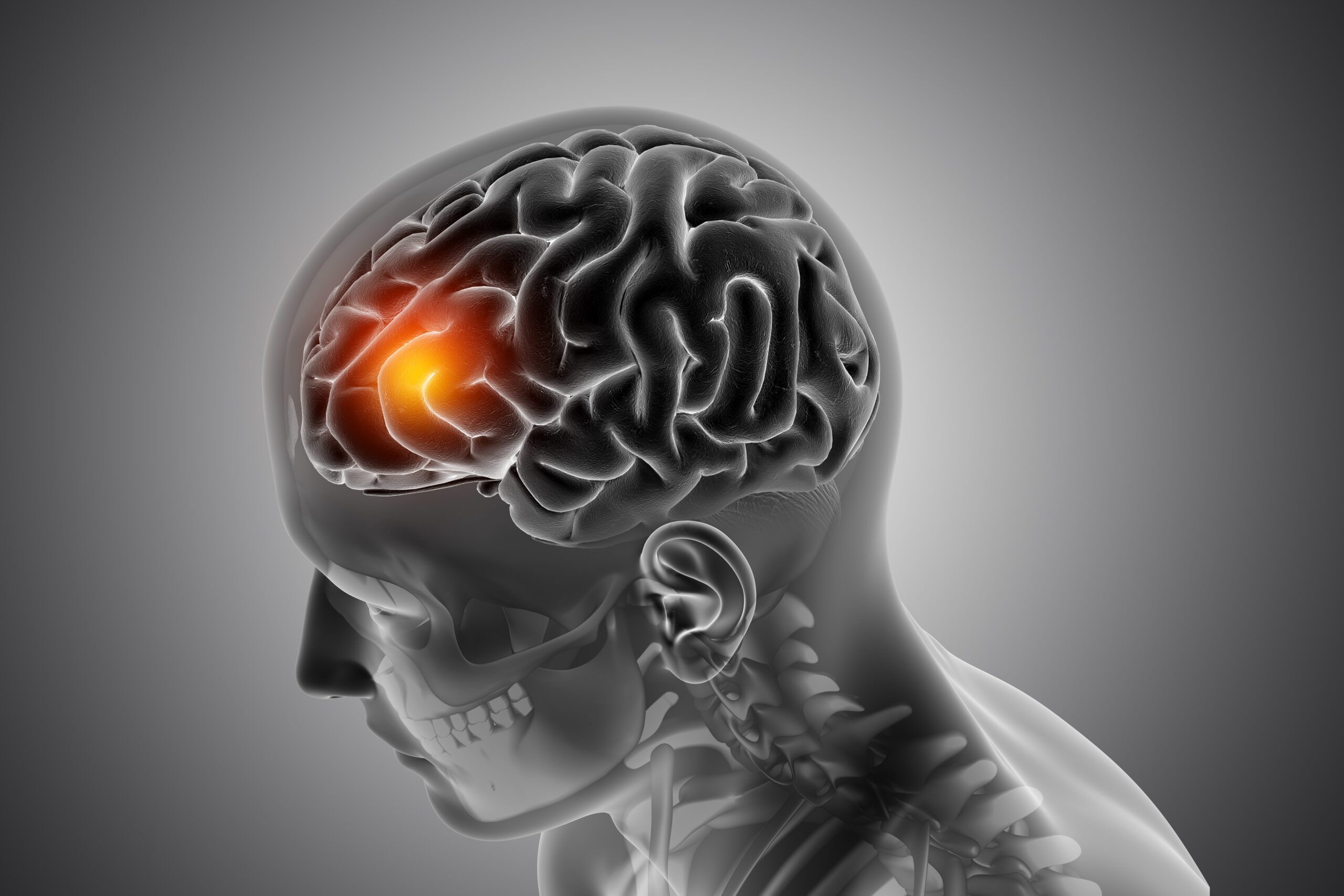
Brain infections are serious neurological conditions and should not be ignored. They may affect the brain, the covering of the brain and spinal cord, or sometimes both. Common examples include meningitis and encephalitis.
A brain infection may start like fever or headache, but it can become serious when there is confusion, drowsiness, seizure, neck stiffness, vomiting, behaviour change or loss of consciousness. These symptoms need timely medical attention.
This page explains brain infection symptoms, warning signs, diagnosis and treatment approach in simple language. You can also explore other neurological conditions on the Treatments page.
What Brain Infection May Look Like
Brain infections do not always look the same in every patient. Some patients mainly have fever and severe headache. Others may become confused, sleepy, irritable or have seizures.
Symptoms may include:
- Fever with severe headache
- Neck stiffness
- Repeated vomiting
- Confusion or unusual behaviour
- Drowsiness or reduced alertness
- Seizure
- Sensitivity to light
- Weakness or imbalance
- Difficulty speaking or understanding
- Loss of consciousness in severe cases
A trusted patient resource from healthdirect Australia on meningitis explains that meningitis is a serious illness and needs urgent treatment.
Meningitis and Encephalitis
Meningitis usually means inflammation or infection of the covering around the brain and spinal cord. Encephalitis means inflammation of the brain itself. Sometimes both can happen together.
Meningitis may present with fever, headache, neck stiffness, vomiting or drowsiness. Encephalitis may cause fever, headache, confusion, behaviour change, seizure, memory disturbance or reduced consciousness.
The Johns Hopkins Medicine encephalitis guide explains that treatment depends on the cause and symptoms, and may include antiviral medicines, antibiotics, seizure control or other therapies.
When Is It an Emergency?
Brain infection symptoms should not be delayed at home. Early treatment can make a major difference, especially when infection affects the brain or nervous system.
Seek urgent medical care if there is:
- Fever with severe headache
- Headache with neck stiffness
- Confusion or drowsiness
- Seizure with fever
- Repeated vomiting with headache
- Sudden behaviour change
- Loss of consciousness
- Weakness, speech difficulty or imbalance
- Severe headache after infection, ear discharge or sinus infection
These symptoms need emergency evaluation first. A routine clinic appointment should not replace emergency care when symptoms are severe or sudden.
Diagnosis and Evaluation
Diagnosis depends on symptoms, examination and suspected cause. The doctor may review fever history, headache pattern, seizure episode, confusion, recent infection, immune status, travel history, medicines and previous reports.
Tests may include blood tests, brain imaging such as CT or MRI, cerebrospinal fluid testing through lumbar puncture, EEG in seizure or altered sensorium cases, and infection-related tests when needed.
Not every patient needs every test. The evaluation is planned according to the patient’s condition and emergency findings.
Patients who want to know more about the doctor’s clinical background can visit the About page.
Treatment Approach for Brain Infections
Treatment depends on the cause. Some infections are viral, some are bacterial, and some may be fungal, parasitic or immune-related. In serious cases, hospital admission may be required.
Treatment may include:
- Antibiotics or antiviral medicines when required
- Medicines to control seizures
- Treatment for brain swelling, if present
- Supportive care for consciousness, breathing or hydration
- Monitoring in hospital or ICU in severe cases
- Follow-up for weakness, memory issues, seizures or behaviour changes after recovery
After the acute infection improves, neurological follow-up may still be needed. Some patients may have headaches, weakness, seizures, memory problems, fatigue or behaviour changes during recovery.
Brain Infection Consultation
Dr. Anadi Mishra provides consultation for suspected brain infection symptoms, post-meningitis or post-encephalitis follow-up, seizures after infection, memory or behaviour changes after infection, and neurological recovery planning at Axiom Neurology & Speciality Clinic, Ashiyana, Lucknow.
For severe fever with headache, seizure, confusion, drowsiness or neck stiffness, emergency hospital care should be taken first. For follow-up consultation or recovery guidance, patients can book an appointment. For clinic address, timing and phone details, visit the Contact Us page.
FAQs
Yes. Brain infections can be serious, especially when fever is associated with severe headache, neck stiffness, confusion, seizure or drowsiness.
Meningitis affects the covering around the brain and spinal cord. Encephalitis affects the brain tissue itself. Sometimes both may occur together.
Urgent care is needed if fever with headache comes with neck stiffness, vomiting, confusion, seizure, drowsiness, weakness or loss of consciousness.
Yes. Brain infections can irritate the brain and may cause seizures. Seizures with fever or confusion need urgent evaluation.

Dr. Anadi Mishra
Consultant Neurologist
Dr. Anadi Mishra
Hey, how can I help you today?
Powered by Elementor