Stroke
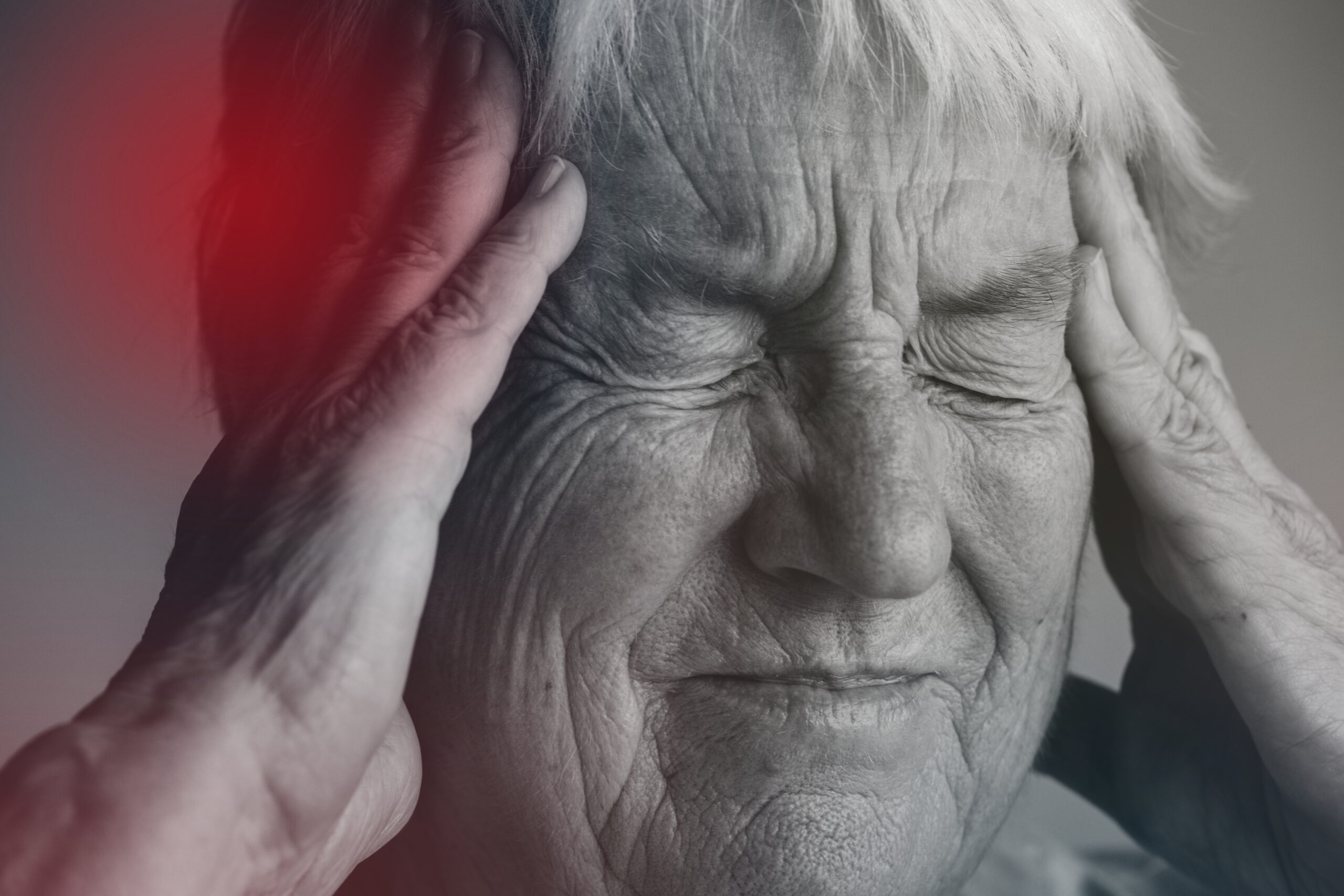
Stroke is a medical emergency. It happens when blood supply to a part of the brain is blocked or when bleeding occurs inside the brain. When this happens, brain cells can get damaged quickly. That is why stroke symptoms should never be watched at home or delayed.
A stroke may appear suddenly as weakness of one side of the body, facial deviation, speech difficulty, vision problem, imbalance, confusion or severe headache. Even if symptoms improve within a few minutes, medical help is still needed because it may be a warning sign of future stroke.
This page explains how to recognise stroke symptoms, what to do immediately, and how neurological care helps after the emergency phase. You can also explore other neurological conditions on the Treatments page.
Stroke Warning Signs
Stroke symptoms usually start suddenly. The patient may look normal a few minutes earlier and then suddenly develop weakness, speech problem or imbalance.
Common warning signs include:
- Weakness or numbness of face, arm or leg, especially on one side
- Face drooping or mouth deviation
- Slurred speech or difficulty understanding words
- Sudden imbalance, dizziness or trouble walking
- Sudden vision loss or blurred vision
- Confusion or unusual behaviour
- Sudden severe headache, especially if unusual
- Difficulty swallowing or sudden loss of coordination
The American Stroke Association B.E.F.A.S.T guide is a useful patient resource for remembering important warning signs: Balance, Eyes, Face, Arms, Speech and Time.
What Should Family Members Do?
If stroke symptoms appear, do not wait to see whether they settle. Do not give food, water or medicine by mouth if the patient is drowsy, confused or unable to swallow properly.
The patient should be taken to an emergency hospital as early as possible. Stroke treatment is time-sensitive, and delay can affect recovery.
Family members should note:
- Exact time when symptoms started
- Whether symptoms started suddenly or gradually
- Any history of blood pressure, diabetes, heart disease or previous stroke
- Current medicines, especially blood thinners
- Whether the patient had a fall, seizure or loss of consciousness
This information helps doctors decide the next steps quickly.
Is Every Stroke the Same?
No. There are different types of stroke. Some strokes happen because a blood clot blocks blood flow to the brain. Others happen because of bleeding inside the brain. Treatment is different for both.
That is why urgent brain imaging and hospital evaluation are important. The NHS stroke treatment guide explains that treatment depends on the type of stroke and may include medicines, procedures, surgery and rehabilitation.
Role of a Neurologist After Stroke
After emergency care, neurological follow-up becomes important for recovery and prevention. The aim is not only to treat the present stroke but also to reduce the chance of another stroke.
A neurologist may help with:
- Reviewing hospital records and brain imaging
- Understanding the likely cause of stroke
- Planning medicines for prevention, when required
- Managing weakness, stiffness, imbalance or speech-related problems
- Advising physiotherapy, speech therapy or rehabilitation
- Monitoring risk factors like blood pressure, diabetes, cholesterol and heart-related causes
- Guiding family members about warning signs and follow-up care
Patients who want to know more about the doctor’s background and clinical experience can visit the About page.
Stroke Recovery Takes Time
Recovery after stroke is different for every patient. Some improve quickly, while others need weeks or months of rehabilitation. Improvement depends on the type of stroke, area of the brain affected, severity, age, other illnesses and how early treatment was started.
Many families feel worried when recovery is slow. Regular follow-up, medicines, therapy, exercises, diet control and risk-factor management are all part of stroke care.
Stroke recovery is not only physical. Some patients may also have low mood, memory difficulty, sleep problems, behaviour change or fear of another stroke. These concerns should be discussed during follow-up.
Stroke Prevention
Many strokes can be prevented by controlling risk factors. Patients with high blood pressure, diabetes, high cholesterol, smoking, obesity, irregular heartbeat, previous TIA or previous stroke should be careful with follow-up.
Prevention may include regular medicines, blood pressure control, sugar control, cholesterol management, exercise advice, diet correction, smoking cessation and review of heart-related causes when needed.
Medicines should not be stopped suddenly without medical advice, especially after stroke.
Stroke Consultation in Lucknow
Dr. Anadi Mishra provides consultation for stroke follow-up, stroke prevention, weakness after stroke, recurrent stroke risk and neurological recovery planning at Axiom Neurology & Speciality Clinic, Ashiyana, Lucknow.
For sudden stroke symptoms, patients should go to emergency care first. For follow-up consultation, recovery guidance or prevention planning, patients can book an appointment. For clinic address, timing and phone details, visit the Contact Us page.
FAQs
Yes. Stroke is an emergency. Sudden weakness, speech difficulty, facial deviation, imbalance or vision problem should not be delayed.
Take the patient to an emergency hospital immediately. Do not wait at home to see if symptoms improve.
Yes. Sometimes symptoms improve quickly, but it can still be a warning sign. Medical evaluation is needed even if symptoms settle.
In many patients, future stroke risk can be reduced by controlling blood pressure, diabetes, cholesterol, smoking, heart-related causes and taking prescribed medicines regularly.

Dr. Anadi Mishra
Consultant Neurologist
Dr. Anadi Mishra
Hey, how can I help you today?
Powered by Elementor