
Seizure & Epilepsy
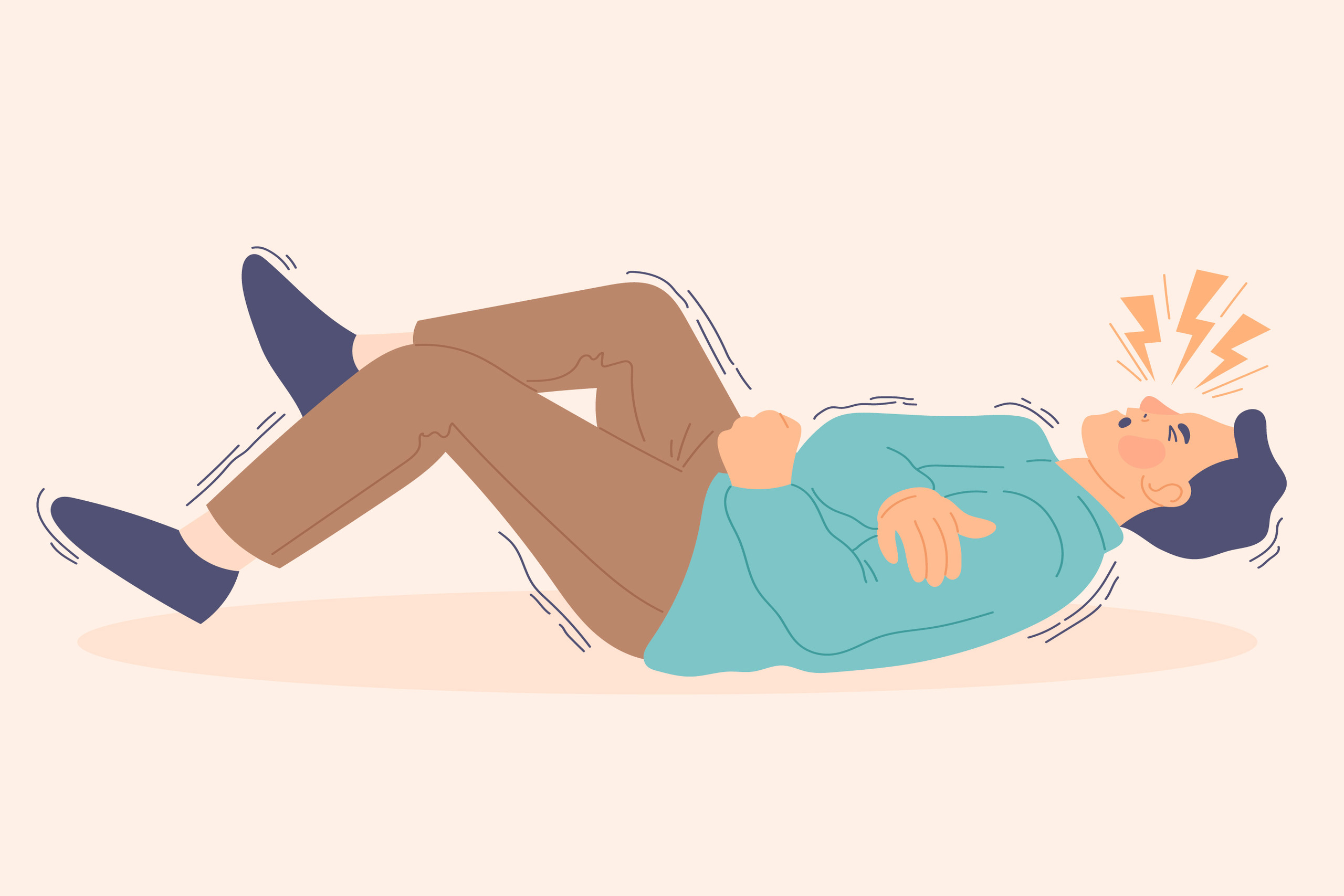
A seizure can be a frightening experience for the patient and the family. Sometimes it appears as sudden jerking of the body with loss of consciousness. In other cases, it may look like a brief blank stare, confusion, unusual behaviour, sudden fall, lip smacking, repeated movements or a short period where the person is not responding normally.
Epilepsy means a tendency to have repeated seizures due to abnormal electrical activity in the brain. One seizure does not always mean epilepsy, but every unexplained seizure should be evaluated properly.
This page explains seizure symptoms, first aid, diagnosis and treatment approach in simple language. You can also explore other neurological conditions on the Treatments page.
Understanding Seizures
Seizures can look different in different patients. Some are obvious, with shaking of the body and unconsciousness. Others are very subtle and may be missed by family members.
A seizure episode may include:
- Sudden body jerking or stiffening
- Loss of consciousness
- Blank staring for a few seconds
- Confusion after the episode
- Sudden fall without clear reason
- Unusual movements of the mouth, face or hands
- Loss of urine during the episode
- Tongue bite
- Sleepiness or headache after the seizure
The NINDS epilepsy and seizures guide explains that seizures happen when brain nerve cells send abnormal signals.
What Families Should Notice
Family observation is very important because the patient may not remember the event. If possible, a family member should note what happened before, during and after the episode.
Useful details include:
- What was the patient doing before the episode?
- Did the person lose consciousness?
- Was there jerking of arms or legs?
- Did the eyes turn to one side?
- How long did the episode last?
- Was there tongue bite or urine loss?
- How long did confusion or sleepiness continue after the episode?
- Has this happened before?
If safe and appropriate, a short video of the episode can also help the doctor understand the seizure type better.
Seizure First Aid
During a seizure, the first aim is safety.
Do not panic. Move sharp or hard objects away. Do not hold the person tightly. Do not put anything in the mouth. Do not try to give water, food or medicine during the seizure.
If the person is lying down, gently turn them to one side when possible. Stay with them until they recover. The CDC seizure first aid guide also advises keeping the person safe and staying with them during the episode.
When Is It an Emergency?
Urgent medical help is needed if:
- A seizure lasts more than 5 minutes
- Repeated seizures happen without full recovery
- It is the first seizure of life
- Seizure happens after head injury
- The person has difficulty breathing after the seizure
- Seizure happens during pregnancy
- The patient has fever, severe headache or neck stiffness
- The person does not wake up properly after the episode
These situations should not be delayed.
Diagnosis and Evaluation
The treatment plan depends on the seizure type, age, medical history, examination findings and possible cause.
Evaluation may include detailed history, neurological examination, review of previous reports, EEG, MRI brain or blood tests when needed. Not every patient needs every test. Tests are advised depending on the seizure pattern and clinical judgment.
Patients who want to know more about the doctor’s training and clinical background can visit the About page.
Treatment Approach for Seizure & Epilepsy
Treatment is planned according to the seizure type and cause. Some patients may need anti-seizure medicines. The choice of medicine depends on age, seizure type, other illnesses, pregnancy considerations, side effects and previous treatment history.
The aim of treatment is to reduce seizure recurrence, improve safety and help the patient continue daily life with proper precautions.
Treatment may include:
- Correct seizure classification
- Anti-seizure medicines when required
- Review of EEG or MRI findings
- Guidance about sleep, missed doses and triggers
- Safety advice for driving, swimming, heights and machinery
- Follow-up to monitor control and medicine tolerance
Regular follow-up is important because epilepsy treatment should not be stopped or changed suddenly without medical advice.
Seizure & Epilepsy Consultation
Dr. Anadi Mishra provides consultation for seizure and epilepsy at Axiom Neurology & Speciality Clinic, Ashiyana, Lucknow. The focus is on understanding the episode clearly, identifying the seizure type, reviewing reports, and explaining the treatment plan in simple language.
Patients can book an appointment for seizure or epilepsy consultation. For clinic address, timing and phone details, visit the Contact Us page.
FAQs
Not always. Epilepsy usually means a tendency for repeated seizures. A first seizure still needs proper evaluation to understand the cause and future risk.
Keep the person safe, move nearby hard objects, do not put anything in the mouth, do not forcefully hold them, and stay with them until they recover.
EEG is commonly advised in seizure evaluation, but the decision depends on the patient’s history, episode pattern and doctor’s examination.
Many patients with epilepsy can have good seizure control with the right medicine, regular follow-up, proper sleep and avoiding missed doses.

Dr. Anadi Mishra
Consultant Neurologist
Dr. Anadi Mishra
Hey, how can I help you today?
Powered by Elementor